
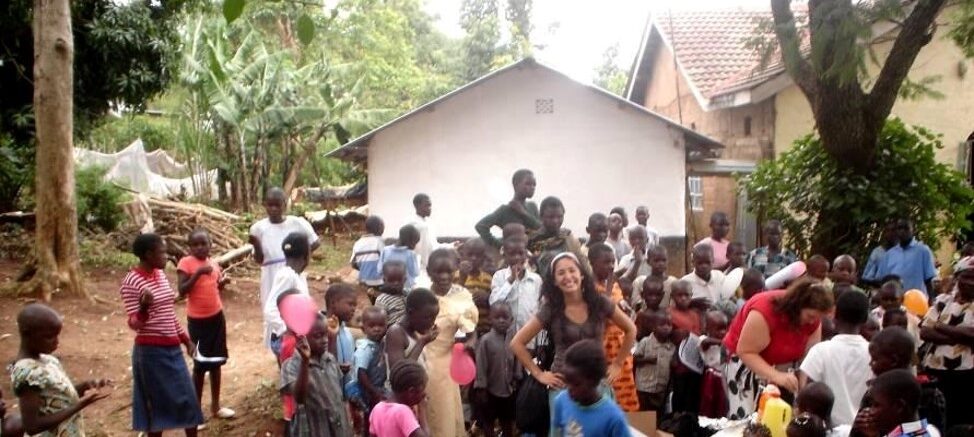
LOCATION:
Maseno Mission Hospital, Maseno, Kisumu County, Kenya
Approximately 13 miles (22 km) northwest of Kisumu.
COMMUNITY DETAILS:
Maseno is located in Kisumu County, 13 miles northwest of Kisumu, which is Kenya’s second largest city and situated on the shore of Lake Victoria. The hospital is owned and operated by the A.C.K Maseno Mission Hospital which is under the auspices of the Anglican Diocese of Maseno North. The Hospital is overseen by a Board of Governors elected triennially with the Bishop as Chair. This Board always contains members of the Maseno Community and other stakeholders in the Hospital. Day-to-day management of the Hospital is by the Hospital Manager in consultation with the Hospital Management Committee, consisting of heads of critical departments.
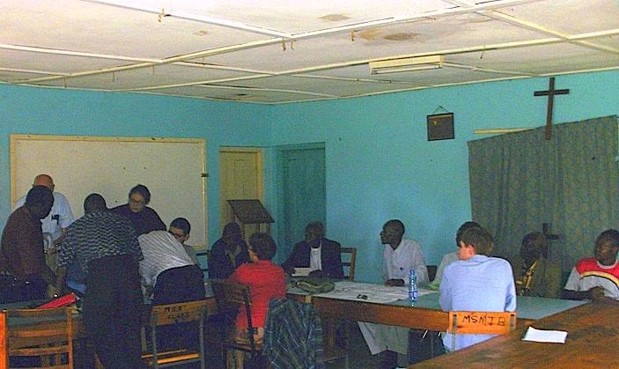
Stakeholder meeting in 2010 between hospital board, community Water Board, community leaders,
hospital leadership, local contractors, hospital maintenance staff, and EWB-USA team.
The hospital serves Maseno, Luanda and other surrounding towns and villages. It is estimated that the hospital serves more than 80,000 people but it is difficult to judge this number. There is another similar sized Catholic hospital about an hour to the east (on rough roads), and then a few hospitals in Kisumu. Scattered in the towns and villages are small medical treatment centers, many of which are staffed by people with little-to-no medical training. With illness or injury, people will consult the village healer or visit an unskilled medical worker for treatment instead of going to the more expensive hospitals. As a result, people generally come to hospitals only after having been unsuccessfully treated and are many times too sick to be healed.
The 75-bed hospital lacks a reliable, clean water supply, and experiences scheduled and unscheduled power outages daily. It suffered from chronic water shortages, and at the time of project adoption would have to shut down if an alternative water source is not provided.
Water has always been a problem for Maseno Hospital. At one time (probably until the early 1980’s) municipal water was supplied. The hospital had running water in all wards and had flush toilets. However, there was a precipitous decline in the general economy of the region accompanied with a resultant deterioration of the municipal infrastructure. The hospital also suffered from a progressive inability of patients to pay for hospitalization. By the early 1990’s the hospital was unable to repair and maintain its water supply system. Water supply became rare, as some wards stopped receiving water altogether and flush toilets became inoperative as water became scarce and sewage systems deteriorated.
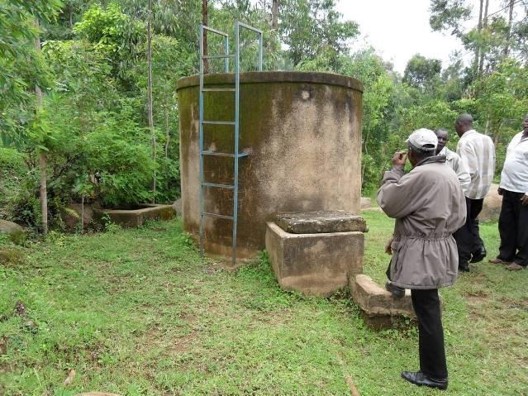
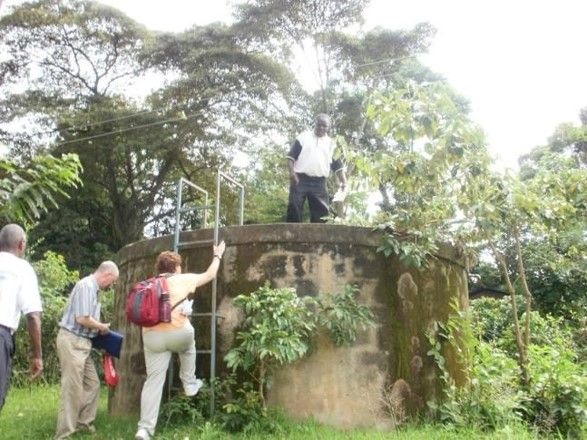
Left: Maseno community water tank. Right: Maseno Hospital staff water tank.
Swedish Rotary personnel were working at Maseno Hospital up until the 1990’s. While they were at the hospital, a sustainable gravity water source was used, bringing water from a spring in the mountain behind the hospital. After the Rotary group left, the pipes were dug up and stolen and water siphoned off into neighbors’ houses.
In 2001 a retired US gastroenterologist and his wife, a trained nurse and retired Professor of Business, took over running of the hospital, renewing efforts in rehabilitating the hospital’s infrastructure and its involvement with the local communities. In short order the duo completed the following:
One cistern was equipped with an electric pump which can pump water into two large storage tanks elevated above hospital buildings. Municipal water, when available, also channels into those tanks. All piping to the buildings has been replaced, sewage systems have been rebuilt. Now all toilets are working and all wards have running water (when available). At present, the major barrier to continuous clean water for wards and theaters is simply a source. Distribution has been accomplished.
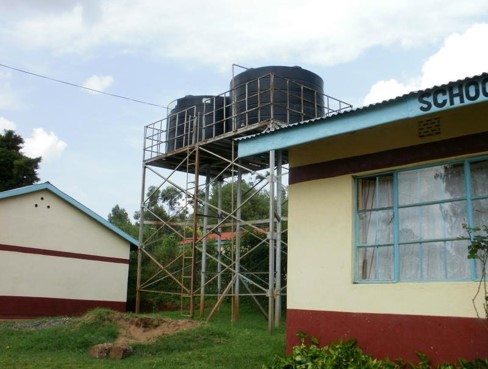
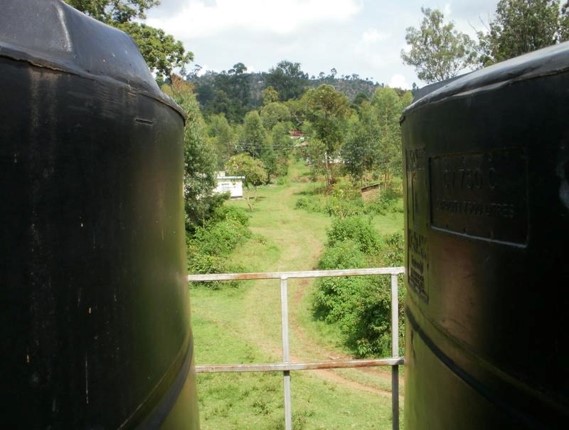
Left: Two elevated 7500L water tanks installed on the hospital campus. Right: Looking uphill from the elevated tanks to the staff water tank up in the distance.
During the dry season of early 2009, due to both drought conditions and the failure of the municipal water system, the hospital suffered from chronic water shortages and was reduced to buying bottled water for drinking and cooking but had virtually none for hygiene. The hospital was going to have to shut down if an alternative water source was not provided.
At the time power was also a growing problem. The power company had instituted formal “power rationing”, leaving the hospital with no power Mondays and Thursdays from 7AM-8PM. Even on “power days” there were frequent unannounced power outages lasting ½ hour to 6 hours. The max period of outage had been two days, but very rarely. There was one generator for the operating theater and one small one for the laboratory, but no others. The oxygen concentrators, nebulizers and other electrical equipment cannot be counted on. The hospital cannot afford the gas to run additional generators.
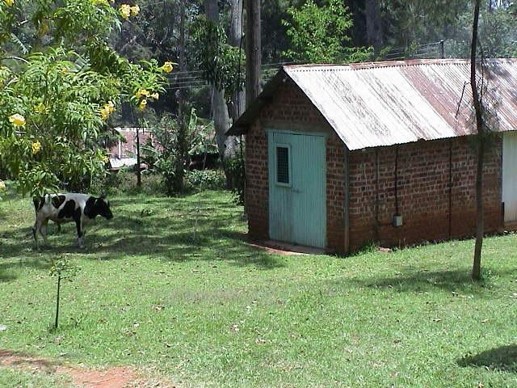
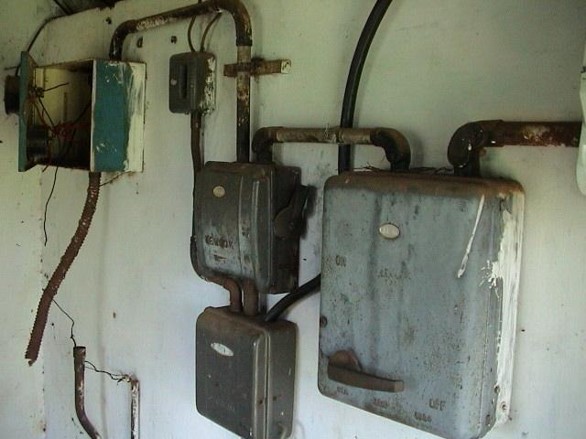
Left: Maseno Hospital electrical building. Right: Maseno Hospital electrical panels.
More and better sockets and wiring are needed in all the wards. Also, the endoscopy equipment could not be used with the operating room generator because voltage fluctuations cause shutdown during the procedures
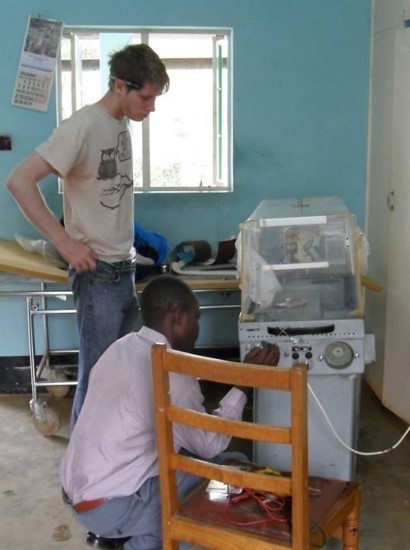
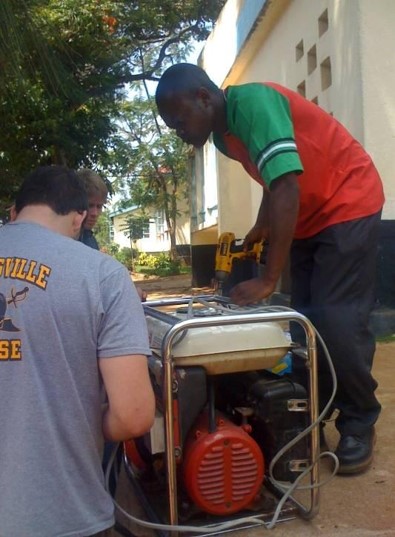
Left: Working on an incubator in Maseno Hospital. Right: Working on Maseno Hospital’s primary generator.
PROJECT SUMMARY:
The aim of the project was a multi-phased approach to address water and power for the hospital and immediate community. While the project had initial goals to address water sourcing for the hospital, upon investigation into the hospital’s condition, a plan to improve the power conditions at the hospital was added to the list of work to be completed by the chapter.
A first water source implementation gathered water from two spring sources located on the hillside adjacent and uphill from the hospital.
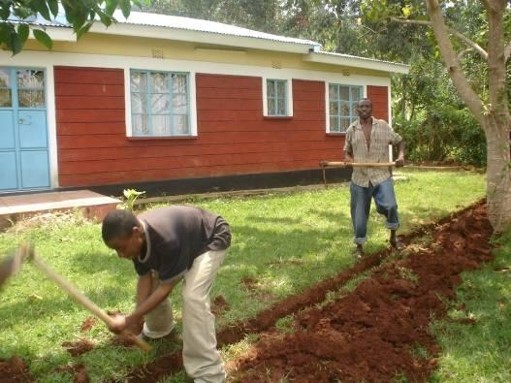
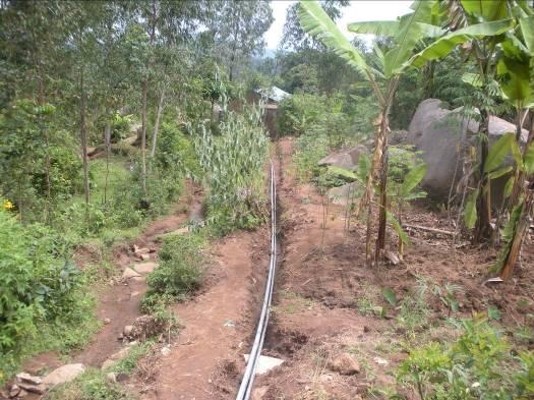
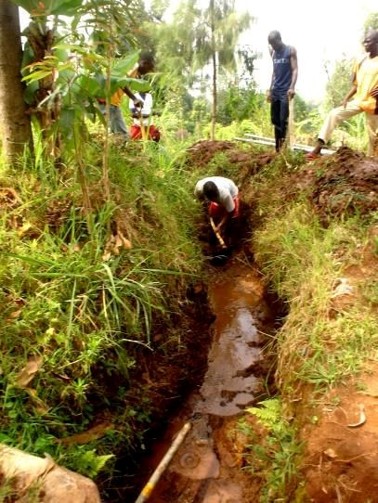
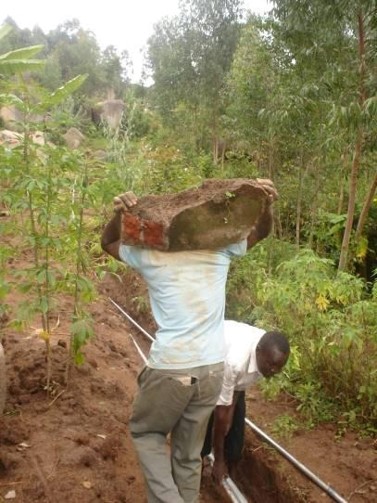
Left and Right: A large portion of the time spent during the implementation of the system was ditching the trench. This activity took longer than expected in certain locations of the path because of large rocks or roots found underground.
The more prolific source (high flow) was routed down to the hospital, while the other spring located some 50 meters downhill of the high flow source was designated as the community source.
Left and Right: Erosion control was also a major preventive activity during the project implementation. The team tried to mitigate the problem by placing rocks along the path of the pipe, but would have to further address during a later implementation trip.
The original valve boxes at the community and hospital staff tanks were taken apart because they were too small to fit the tools needed for installation and maintenance of the system.
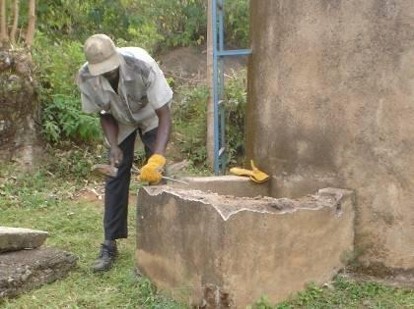
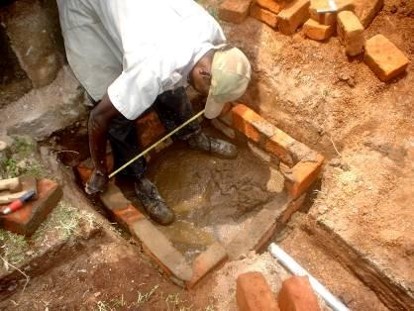
Left and Right: All valve boxes were removed and rebuilt as larger constructed boxes, as well as the team placed a cover to lock the valves to accommodate the new pipes and valves. Metal lids (known locally as manhole covers) with locks were installed for security of the system.
The spring box at the community water source was completely rebuilt. Water from the source was routed (with taps along the line) to two previously existing tanks in an effort to compensate the community for the water taken to the hospital.
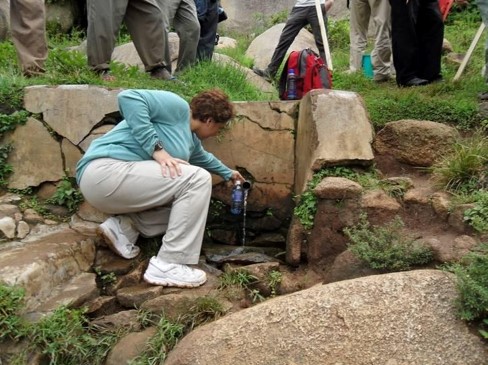
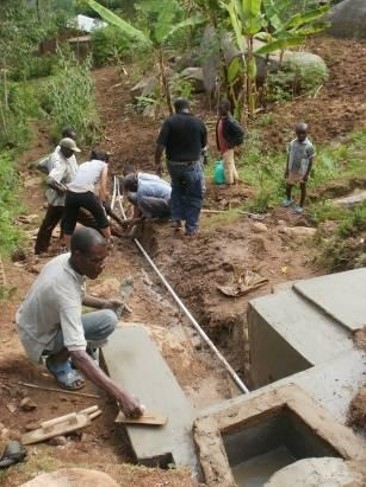
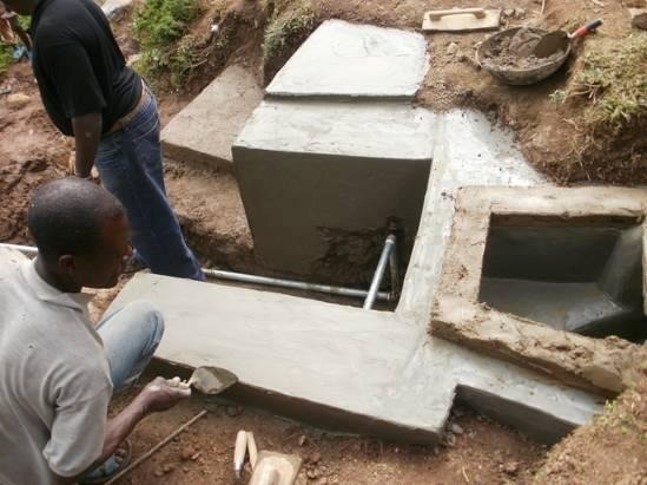
Left: High flow water source during 2010 assessment trip, designated as community water source. Center and Right: The community source spring box was completely rebuilt during the 2010 implementation. One of the community workers had great skills working with cement and contributed enormously to spring box reconstruction and valve box construction during the project.
Ultimately this arrangement proved unsatisfactory to the community as it provided insufficient volumes, especially during dry periods, and the community began shutting water off to the hospital to serve their needs.
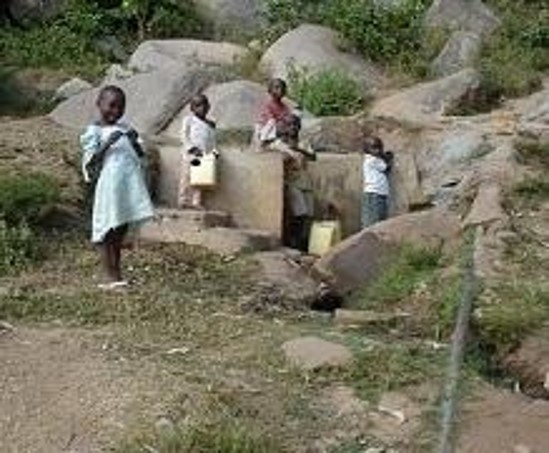
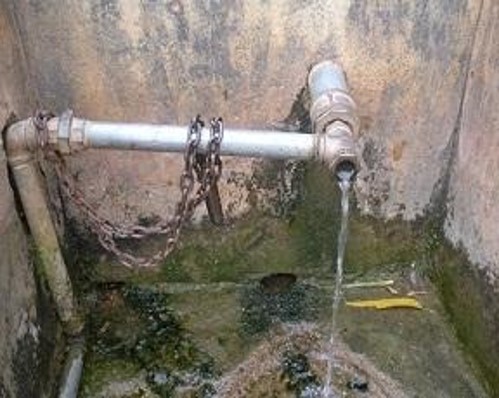
Left: During the 2012 implementation trip the EWB-USA found that the community source still received a high flow of traffic from community members.
Right: It was documented in the 2012 trip that the faucet at the community source had been removed and no water was flowing into the community system, however. It was reported to the team that the faucet was removed due to frustration with low flow. The team left this source flowing free and by-passed it when piping the water sources into the community system during the 2012 implementation.
A second water source implementation was performed in early 2012 to add two additional spring sources located further up the hill to the community system, and to isolate the hospital system from community interference. Although some of the items planned during the implementation were not completed (metal covers on spring boxes, recommission a staff tank on hospital grounds), the system was functioning well upon completion in early February 2012.
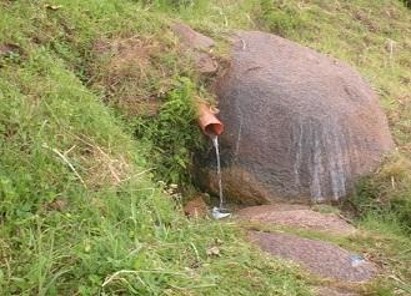
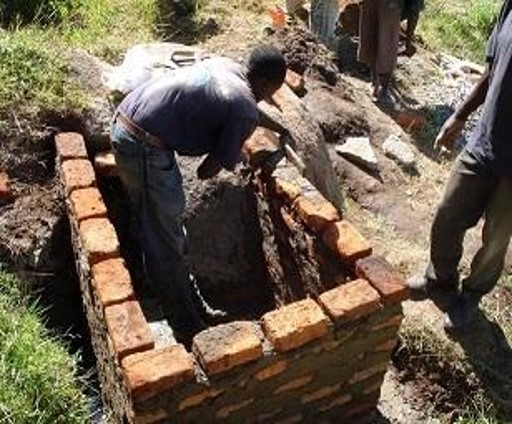
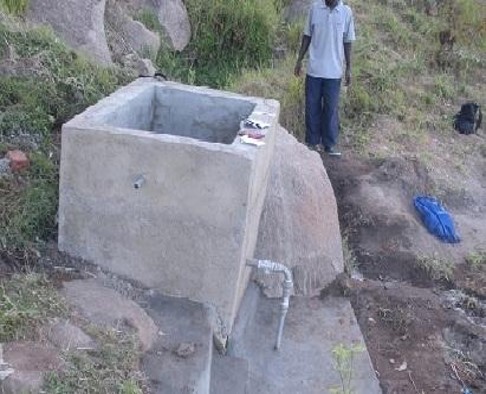
Left: New community water source identified to team, identified as “orange pipe” source. The flow rate is 11.2 m3/day in the dry season, in this picture some of the water is being diverted around the rock. Center-to-Right: Construction of a new spring box/water collection basin for the “orange pipe” source.
In addition, the community has replumbed the system to provide them with control of both springs, and instituted a sharing agreement with the hospital during dry seasons. Encouragement is gathered from the fact that the hospital and community are working together (many of the staff at the hospital live in the community).
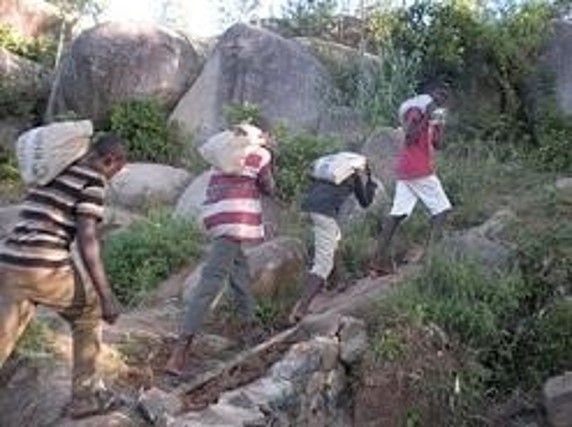
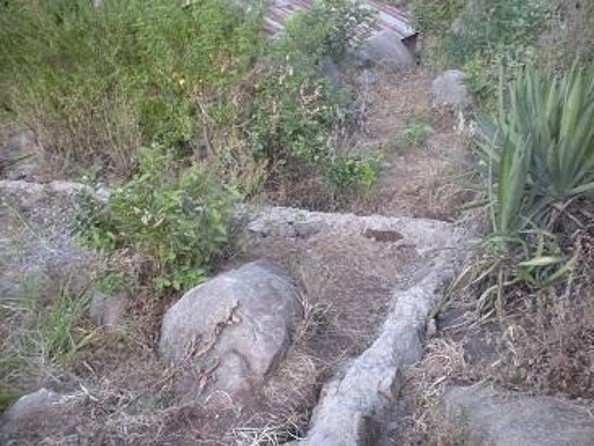
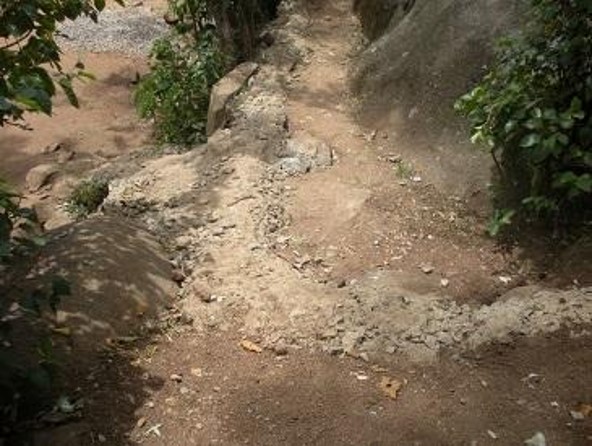
Left: A major part of the work effort was carrying all the material up to the work area; piping, cement, sand, gravel, and even large rocks to help control erosion had to be carried up. Center and Right: Where the ground was too rocky to bury piping it was covered with concrete to protect it and to act as erosion control.
Another positive sign is the noted commissioning of the staff tank, which has expanded service to the taps located in the hospital staff area. Effectively the project is judged a success in that the hospital is getting water it wasn’t getting before while at the same time many members of the community aren’t walking as far to fetch water as they were before.
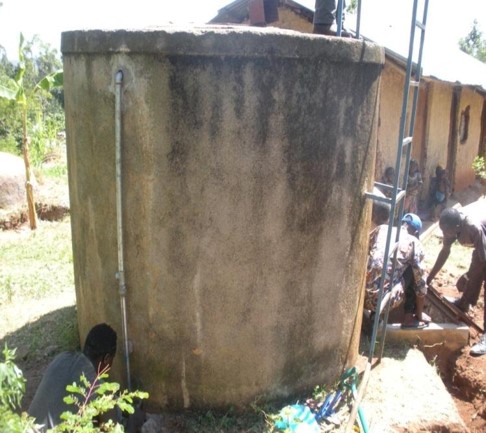
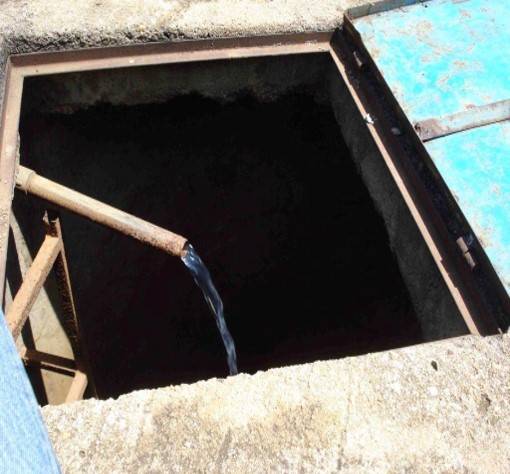
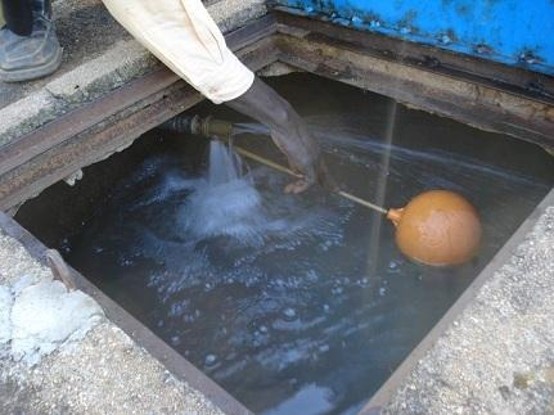
Left: Community tank 1being added into the community water system. Center: Water flowing from the new “orange pipe” and “black pipe” sources into community tank 1. Right: Float cut-off valves were installed in both community tanks and the hospital staff tank.
Since completion of the second implementation, a distinct lack of maintenance has been evidenced, causing the phase II springs to deliver water at about half the potential volume, while installed equipment has gone missing (e.g., float valves, valve box locks, etc.).
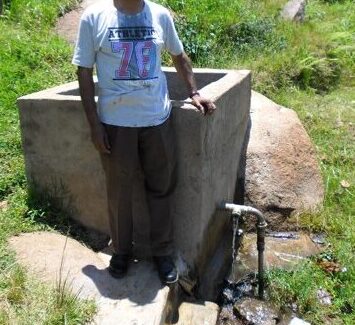
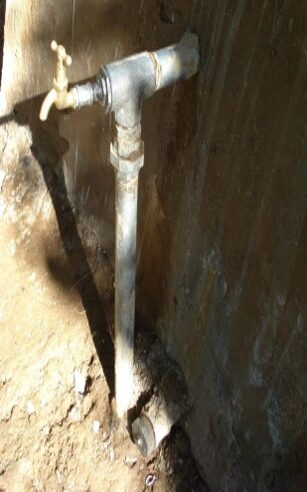
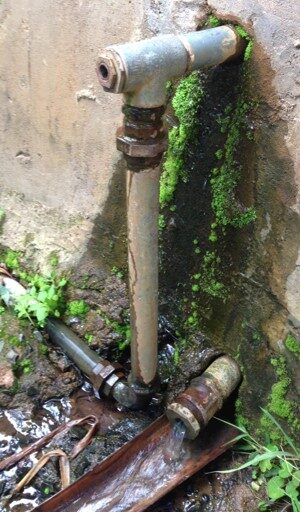
Left: A visiting doctor in 2012 provided additional monitoring photos for the EWB-USA team. At the “orange pipe” source, the tap on the transfer line was been broken off, effectively negating it’s value as a source of water to the community. Also, a lockable cover for the box was not placed on topo of the box to prevent trash from entering the supply and potentially plugging the line. Center-to-Right: Evidence from 2012 to 2014 at the “black pipe” water source of lack of maintenance by the community and intentional removal of key components of the system (e.g., spigot, pipe cover).
Just prior to the chapter’s 2012 implementation trip the hospital leadership that had run the hospital since 2001 returned to the US for full retirement. In their absence a Peace Corps volunteer that had worked with them was the team’s point of contact and liaison during the 2012 implementation trip; however, he to shortly returned to the US thereafter after falling victim to local gang violence. While the hospital was able to acquire temporary assistance from a US, with the departure of prior leadership and assistance staff at the hospital had been unpaid since their departure and electricity to the hospital was shut off due to non payment for the last week of the team’s stay during the 2012 implementation. The hospital also began to withdraw from its community involvement activities. It should be noted that the prior husband/wife leadership exhibited a very strong moral force on the hospital and surrounding community, and their departure just prior to our the chapter’s 2012 trip was a large factor in most, if not all, of the deficiencies seen in the continued sustainability of the project.
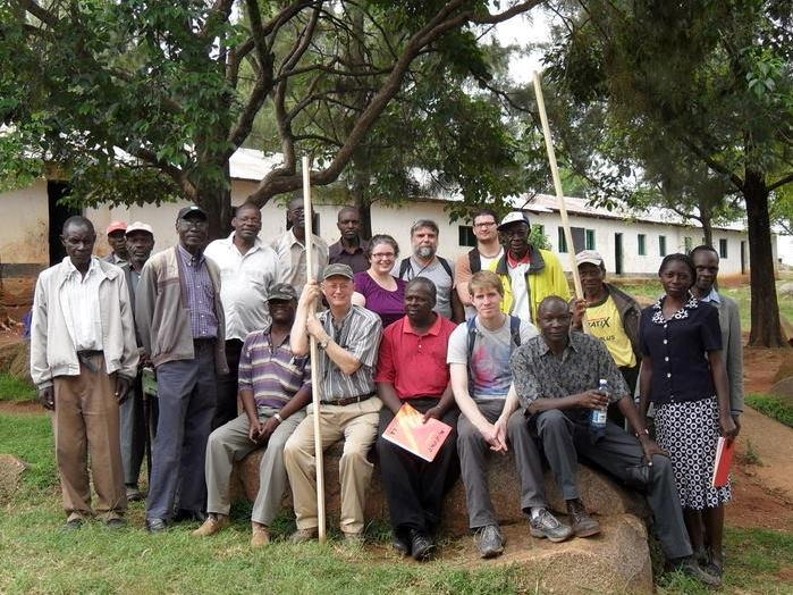
Left: EWB-USA travel team with hospital staff and community members touring a community school during 2011 assessment trip.
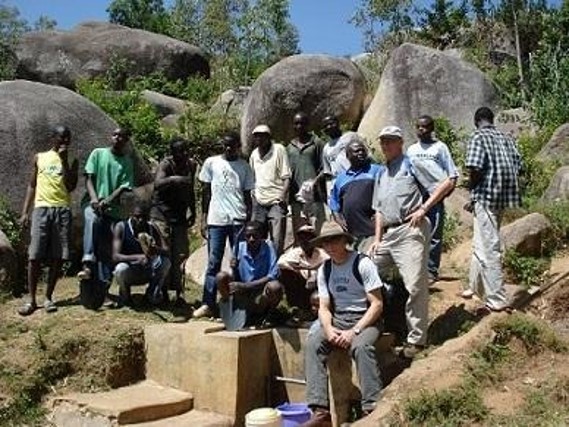
Right: EWB-USA travel team with community members working together during 2012 implementation trip.
Additional projects (power, water treatment, accounting upgrades) were originally envisioned and evaluated in 2013 (to some degree), but the rapidly deteriorating conditions at the hospital in early 2012 (i.e., workers not paid for over a month, electricity off at hospital due to non payment of bill, etc.) caused a re-evaluation of these potential projects. Ultimately these additional projects were not pursued by the chapter and the program was closed out following the water project 2014 monitoring trip.
PROJECT ADOPTION DATE:
August 2009 (Central Houston Professional Chapter)
PROJECT STATUS:
Complete
Impact: 680 people and Maseno Hospital and surrounding community provided with clean water
TEAM LEAD:
- Ruth Alkons Wolinsky – Project Co-Lead
- David Dale – Project Co-Lead
Past Leads
- Isis Mejias